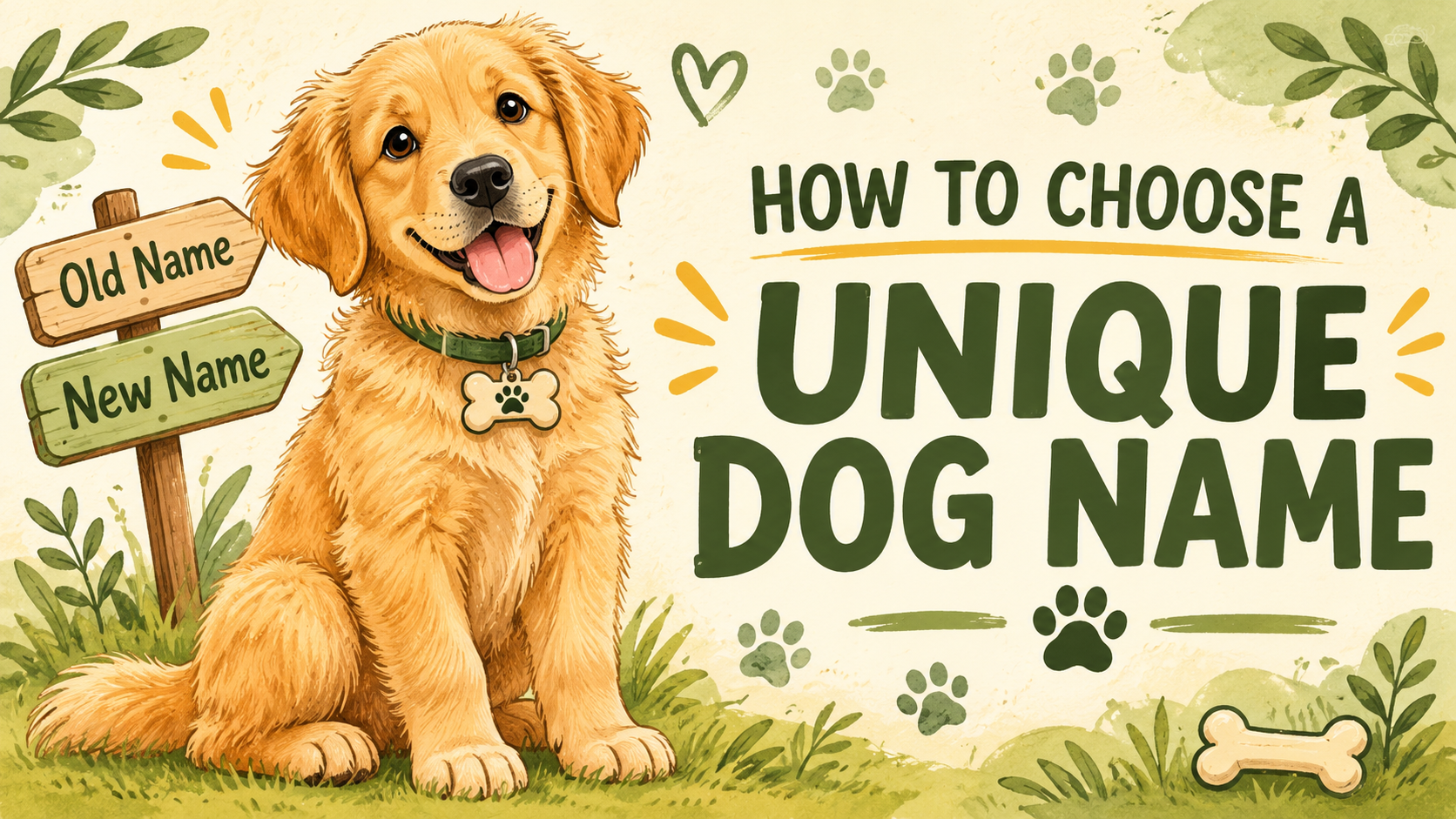
How to Choose a Unique Dog Name: A Creative Guide for Your New Best Friend
Choosing a name for your dog should be one of the fun parts of welcoming a new best friend into your life. But if you’ve already searched through hundreds of popular dog names, you might be looking for something a little different.
Maybe your puppy doesn’t feel like a Max, Bella, or Charlie. Perhaps you have a tiny dog with a giant personality, a serious-looking puppy who acts like a clown, or a fluffy companion who reminds you of your favorite snack.
That’s where creative dog naming comes in.
A memorable dog name doesn’t have to be complicated or extremely unusual. It simply needs to feel right for your dog and for the people who will be calling it every day.
From personality and appearance to food, movies, nature, and unexpected word combinations, there are plenty of ways to find inspiration. Here’s how to choose a unique dog name that tells a little story about your new companion.
1. Start With Your Dog’s Personality
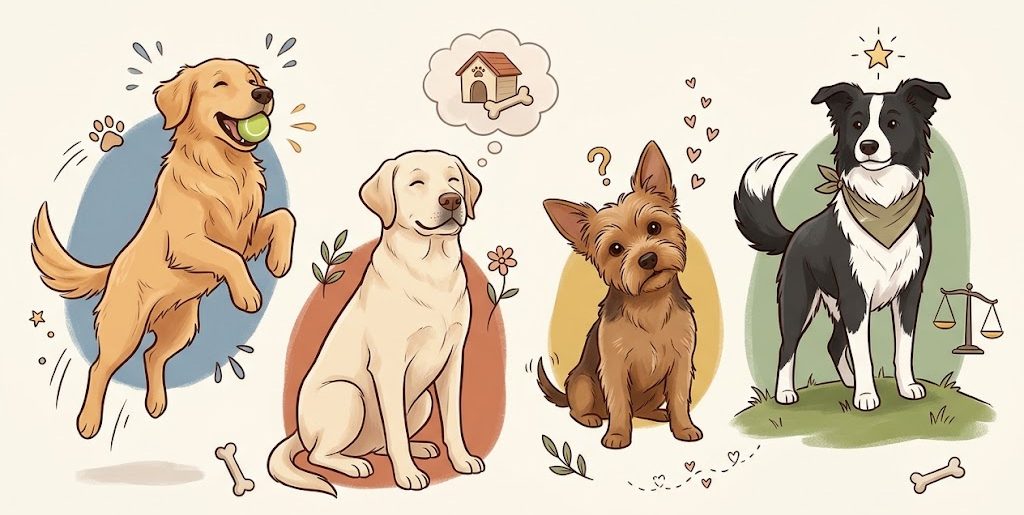
Before searching for names, spend some time getting to know your dog’s personality.
Some puppies are constantly moving, exploring every corner, and turning ordinary moments into adventures. Others are calm, gentle, observant, or wonderfully silly.
These little personality clues can lead you toward a name that feels natural.
Think about the words you would use to describe your dog:
- Energetic: playful, adventurous, fearless, bouncy, curious.
- Gentle: sweet, peaceful, affectionate, patient, cuddly.
- Funny: clumsy, dramatic, mischievous, goofy, unpredictable.
- Confident: bold, independent, proud, protective, fearless.
- Curious: clever, alert, adventurous, observant, investigative.
For example, a lively puppy with endless energy might suit a playful name like Bungie. A gentle dog who loves curling up beside you might feel more like Bean. A confident dog with a little attitude could carry a name like Duchess.
Don’t worry about finding the perfect name immediately. Sometimes a dog’s personality becomes clearer after a few days at home.
Quick tip: Write down five words that describe your dog’s behavior. Use those words as your first source of naming inspiration.
2. Look at Your Dog’s Appearance
Your dog’s appearance can be another great starting point. Think beyond the obvious color-based names and look for small details that make your dog recognizable.
Consider:
- Coat color and patterns.
- Size and body shape.
- Fluffy, curly, or smooth fur.
- Distinctive markings.
- Eye color and facial expressions.
- The way your dog walks or carries itself.
A warm brown coat might remind you of Chestnut. A big, fluffy dog could inspire something bold like Moose or Grizzly. A dog with a funny round face might make you think of Mr. Moo.
You can also look for unexpected connections. Maybe your dog’s markings resemble a little bowtie, or its fluffy ears remind you of a character from a favorite story.
The goal isn’t to describe your dog literally. It’s to notice something interesting and turn it into an idea.
Remember that puppies grow and their appearance may change. Try to choose a name that you’ll still enjoy when your tiny puppy becomes an adult dog.
3. Find Inspiration in Unexpected Places
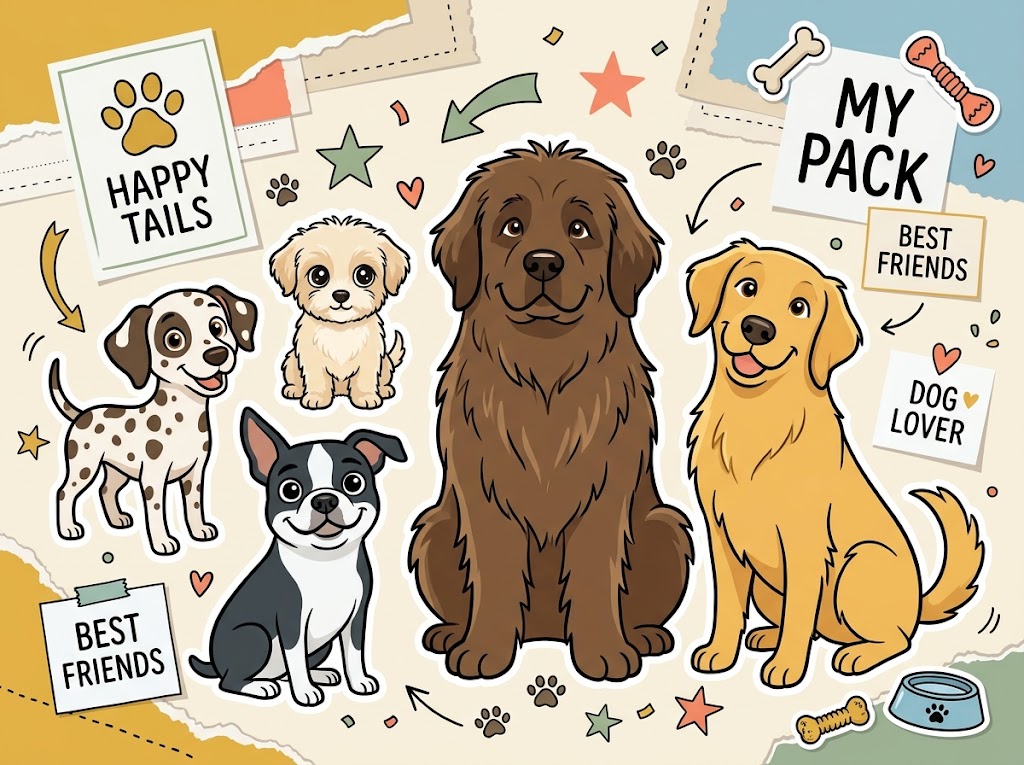
If traditional dog names aren’t exciting you, stop looking only at lists of dog names.
Some of the most memorable names come from completely different parts of everyday life.
Food and favorite snacks
Food-inspired names can be funny, sweet, and surprisingly suitable for dogs.
Think about your favorite snacks, desserts, ingredients, and drinks. A name like Pocky, Waffle, Dumpling, or Wasabi can feel playful without sounding like a typical pet name.
You don’t have to choose a food that matches your dog’s appearance. Sometimes the funniest names are the ones that have no obvious connection at all.
Nature and outdoor adventures
Nature offers inspiration from plants, animals, landscapes, and places.
You might discover a name through a favorite forest, a mountain trip, a flower, or an animal you admire.
Names such as Fern, Moose, and Grizzly show how natural words can become distinctive pet names.
You can even borrow inspiration from a favorite destination or outdoor memory.
Movies, music, and pop culture
Think about the characters, artists, fictional worlds, and stories you love.
A brave little dog might inspire a name like Jedi. A dog with a huge personality might make you think of Megatron.
You can also create playful variations of familiar names. For example, Dolly Pawton is a fun twist on a well-known music name.
Just make sure you genuinely enjoy the reference. You’ll probably be saying this name thousands of times!
Everyday objects and unusual words
Look around your home and notice ordinary objects with interesting sounds.
A dog might end up being called Bowtie, Fender, or Hammer. These names are memorable because they’re not the first words people expect to hear when meeting a dog.
You can also explore words from hobbies, professions, books, games, and places that have personal meaning to you.
The trick: Don’t ask whether a word sounds like a traditional dog name. Ask whether you like the sound of it and whether it suits your dog.
4. Try the Opposite of What People Expect
One of the easiest ways to create a memorable dog name is to play with contrast.
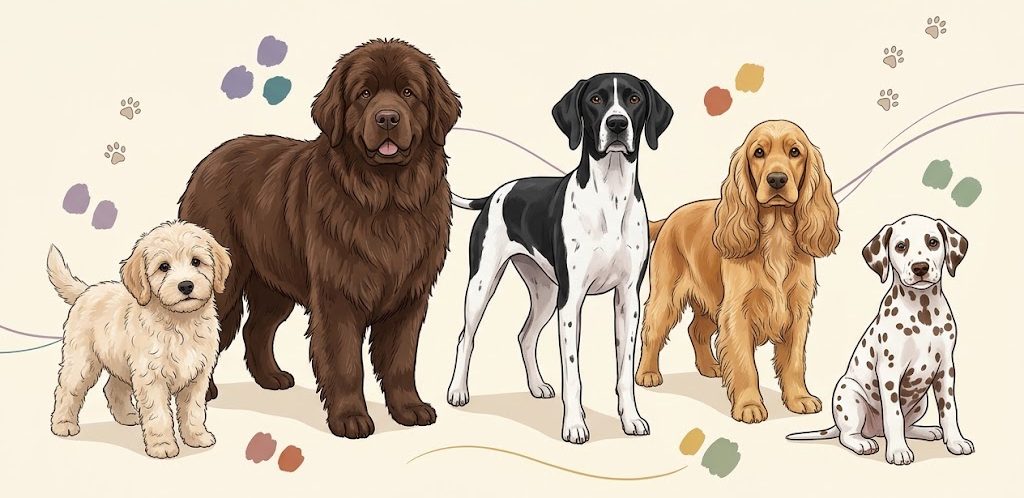
Imagine a tiny puppy named Megatron or Hammer. The contrast between the dog’s size and its powerful name makes the choice funny and memorable.
Now imagine a giant, serious-looking dog named Bean or Bubbles. That unexpected combination can be just as charming.
Try these combinations:
- A tiny dog with a powerful name.
- A giant dog with a soft, sweet name.
- A serious-looking dog with a silly name.
- An energetic dog with a calm-sounding name.
- A fluffy dog with a sharp, bold name.
You can make this exercise even more interesting by pairing opposite personality traits.
For example, if your dog looks intimidating but is incredibly affectionate, a gentle or funny name might capture that contrast perfectly.
A good name doesn’t always need to match your dog’s appearance. Sometimes the unexpected choice is what makes it special.
5. Give the Name a Personal Story
A name becomes more meaningful when it connects to something in your life.
Think about the memories, places, people, hobbies, and little jokes that make you smile.
Perhaps you want to use:
- The name of a place you visited.
- A word from a language you love.
- A favorite character from childhood.
- An inside joke shared with your family.
- A food you always order together.
- A nickname that has special meaning.
You could even name your dog after a memorable trip, a favorite song, or an experience that changed your life.
For example, Fern Gully could be inspired by a favorite nature-related memory or story. Cowboy might remind you of a place, movie, or personality you enjoy.
If you choose a word from another language or culture, take a moment to check its meaning and pronunciation. Make sure you’re comfortable using it as your dog’s everyday name.
A personal connection can make an unusual name feel completely natural. And when someone asks why you chose it, you’ll have a story worth telling.
6. Experiment With Nicknames and Variations
Sometimes the first version of a name isn’t the one you’ll use every day.
A longer, unusual name can have a shorter nickname that feels even more natural.
For example:
- Bambalina could become Bambi.
- Hammer could become Hammy.
- Fern Gully could become Fern or Gully.
- Dolly Pawton could become Dolly.
Try saying both versions out loud. You might discover that the full name is perfect for introducing your dog, while the nickname becomes part of everyday life.
You can also experiment with spelling, sounds, and combinations. Just avoid making the name so complicated that nobody knows how to pronounce it.
A good name should be fun to say, easy to recognize, and comfortable for everyone in your household.
7. Test the Name Before Making It Official
You’ve found a name you love. Now it’s time to see whether it works in real life.
A name might look fantastic on paper but feel awkward when you say it repeatedly. Before settling on it, try a few simple tests.
Say it out loud
Repeat the name several times in a normal voice. Then imagine calling it from another room or across a park.
Does it feel natural?
Check how easy it is to pronounce
You don’t need a one-syllable name, but you should be able to say it clearly without stumbling over the pronunciation.
Think about everyday situations
Imagine saying the name at the veterinarian, during a training session, or when introducing your dog to someone new.
Would you feel comfortable using it in public?
Avoid confusion with common commands
Names that sound very similar to everyday training cues can sometimes make communication harder.
For example, if a name sounds too close to a command you plan to use regularly, consider another variation.
Let your dog learn it positively
Once you’ve chosen a name, use it consistently. Say it in a happy voice and reward your dog when they look toward you or respond.
You can practice by saying the name, waiting for your dog to look at you, and then offering a small reward or praise.
Keep practice short and positive. Your dog doesn’t need to understand the name immediately.
8. Common Dog-Naming Mistakes to Avoid
Finding a creative name is fun, but a few small mistakes can make your choice less practical.
Choosing a name too quickly: You don’t have to decide during the first five minutes. Spend time with your dog and see which ideas feel right.
Making it too complicated: A name can be unusual without being difficult to pronounce or remember.
Choosing a name only because it’s trendy: Popular names aren’t necessarily bad, but make sure you genuinely like your choice rather than following a trend.
Ignoring how it sounds out loud: Always test a name in everyday situations before settling on it.
Changing the name repeatedly: Exploring ideas is fine, but once you’ve made your decision, consistency will help your dog learn it.
Forgetting that other people will use it: Family members, pet sitters, and veterinarians may need to say your dog’s name too. Choose something you can comfortably share.
9. Your Dog Naming Checklist
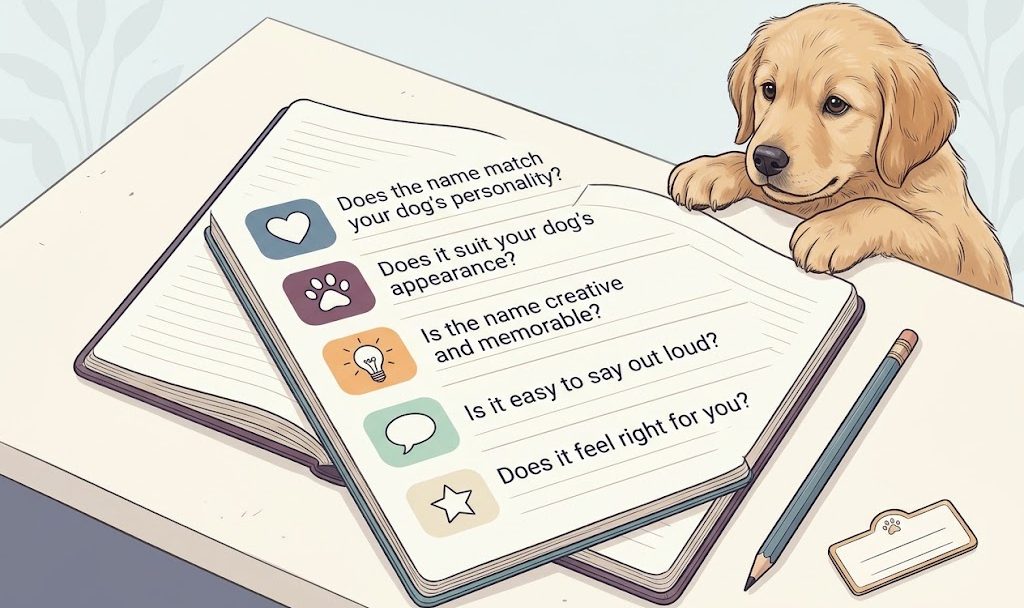
Before making your final decision, take a moment to review your favorite name.
- Does it suit my dog’s personality?
- Do I enjoy saying it out loud?
- Is it easy to pronounce?
- Does it feel comfortable in everyday situations?
- Can I create a nickname from it?
- Does it have a personal meaning or story?
- Will I still like it when my puppy becomes an adult?
You don’t need to answer yes to every question. The checklist is simply a way to make sure you’ve considered more than how the name looks on a screen.
Frequently Asked Questions
What makes a dog name unique?
A unique dog name is one that feels distinctive and personal. It might come from food, nature, a favorite character, an unusual word, or a meaningful memory. It doesn’t have to be completely original.
Should I choose a dog name based on breed?
Not necessarily. Breed can provide inspiration, but your dog’s personality, appearance, and individual character are just as important. Choose a name you love rather than feeling limited by breed stereotypes.
Are funny dog names a good idea?
Absolutely! Funny names can be memorable and reflect your dog’s personality. Just make sure the name is something you’re comfortable saying in public and using every day.
How long does it take for a dog to learn its name?
It varies from dog to dog. Puppies and adult dogs can learn to recognize a new name through consistent, positive practice. Use the name in a friendly tone and reward your dog when they respond.
Can I change an adopted dog’s name?
Yes. If you’ve adopted a dog and want to choose a different name, you can introduce the new one gradually using positive reinforcement. Be patient and use the new name consistently.
Final Thoughts: Choose a Name That Feels Like Your Dog
The best dog name isn’t necessarily the most popular, the funniest, or the most unusual one you can find.
It’s the name that makes you smile when you say it. It might come from your dog’s personality, a favorite snack, an unforgettable memory, or a completely unexpected idea.
Don’t be afraid to experiment. Try different sounds, explore words outside traditional dog-name lists, and give yourself time to discover what feels right.
And remember: a name like Waffle, Megatron, Bean, or Dolly Pawton can become special simply because it belongs to your dog.
Looking for more inspiration? Explore our dog name ideas and discover more possibilities for your new best friend.
More Ways to Enjoy Life with Your Dog
Discover helpful dog-naming guides, creative inspiration, and thoughtful finds for dog lovers.
More Dog Name Inspiration
Explore more guides and ideas to help you find the perfect name for your best friend.

There’s Something Special About Your Dog’s Name
There’s Something Special About Your Dog’s Name Choosing a name for your dog is one of those little decisions…
Read Article
Can You Change a Dog’s Name? How to Rename Your Dog Without Confusing Them
Can You Change a Dog’s Name? How to Rename Your Dog Without Confusing Them You’ve just welcomed a dog…
Read Article
How to Use Your Dog’s Name Correctly: 4 Smart Training Tips
How to Use Your Dog’s Name Correctly: 4 Smart Training Tips Your dog’s name is more than something you…
Read Article
Should You Give Your Dog a Human Name? Pros, Cons & Funny Examples
Should You Give Your Dog a Human Name? Pros, Cons & 25 Funny Ideas Imagine walking through a quiet…
Read Article
Dog Name Lab
Explore name ideas, discover different naming styles, and find inspiration for your dog’s perfect name.
Explore Name Lab
The Olei Shop
Discover dog-inspired products, thoughtful gifts, and fun finds for you and your four-legged companion.
Explore the Shop